Dental Implants: Who May Be a Candidate and What to Expect
Missing a tooth can affect your confidence and oral health. Dental implants offer a permanent, natural-looking solution, but are they right for you?
Dental Implants: Who May Be a Candidate and What to Expect
Losing a tooth—whether due to injury, severe decay, or gum disease—can significantly impact your quality of life. It can make chewing certain foods difficult, alter the clarity of your speech, and cause you to feel self-conscious about your smile. For decades, the only solutions for missing teeth were removable dentures or fixed dental bridges. Today, however, dental implants represent the gold standard in tooth replacement.
At our clinic in Ramachandrapuram (RC Puram), Hyderabad, we frequently guide patients through the transformative process of getting dental implants. If you are considering this permanent solution, understanding what an implant is, who makes a good candidate, and what the procedure entails is the first step toward restoring your smile.
What Exactly is a Dental Implant?
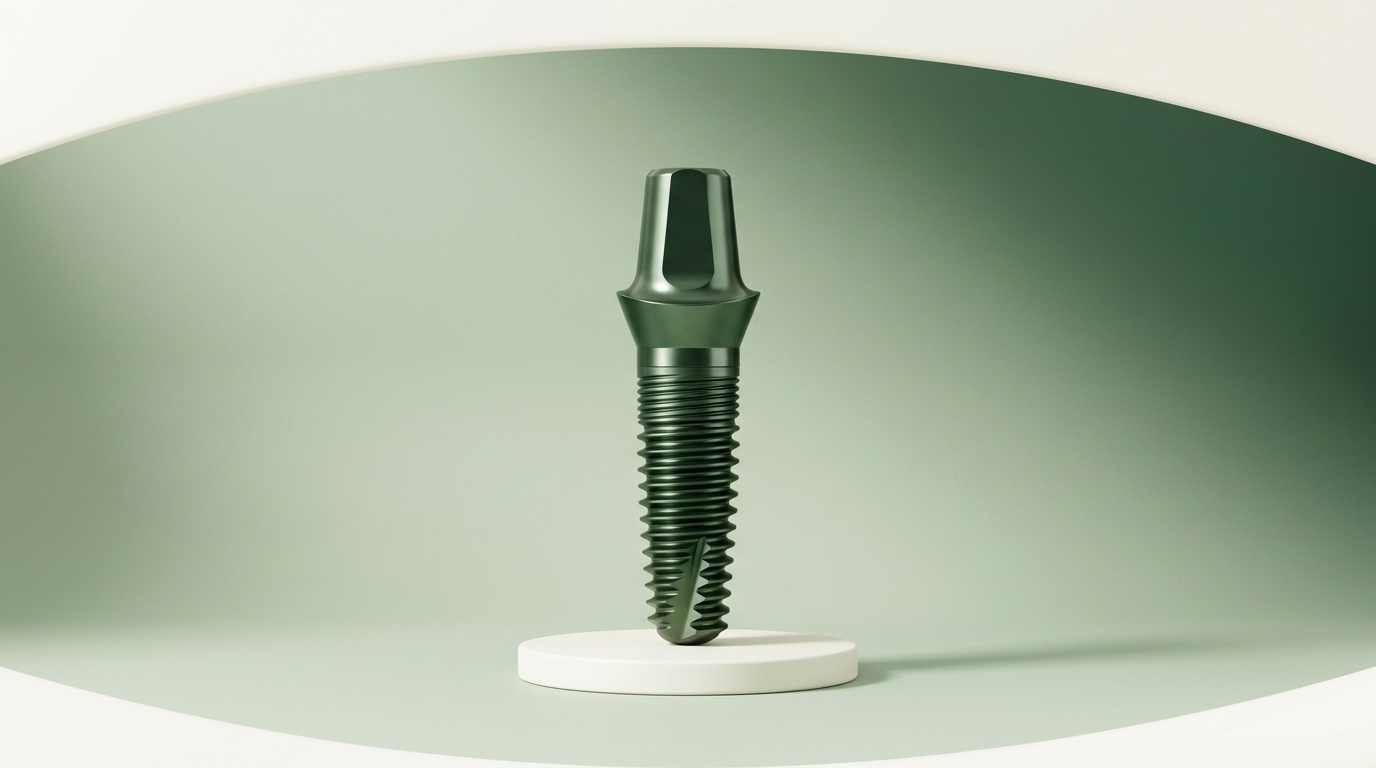
Unlike dentures, which rest on top of the gums, or bridges, which rely on adjacent teeth for support, a dental implant replaces both the visible part of the tooth and the hidden root. A complete dental implant consists of three main components:
- The Implant Post: This is a small, screw-like post made of biocompatible titanium. It is surgically placed directly into the jawbone, where it acts as a sturdy, artificial tooth root.
- The Abutment: Once the implant post has fused with the bone, a small connector called an abutment is attached to the top of it. This piece sits just above the gumline and holds the replacement tooth securely in place.
- The Crown: The crown is the visible, functional artificial tooth. It is custom-made from high-quality ceramic or porcelain to perfectly match the color, shape, and size of your natural teeth.
Who is a Good Candidate for Dental Implants?
Dental implants boast a remarkably high success rate, often exceeding 95%. However, they are a surgical procedure, and not everyone is an immediate candidate. Generally, an ideal candidate should have:
- Missing One or More Teeth: Implants can replace a single tooth, multiple teeth, or even secure a full set of dentures.
- Adequate Jawbone Density: Because the implant is anchored into the bone, there must be enough dense, healthy bone present to hold it securely.
- Healthy Gums: The patient should be free of periodontal (gum) disease. Healthy gums are crucial for supporting the new implant and preventing infection.
- Good Overall Health: Conditions that impair healing, such as uncontrolled diabetes, autoimmune disorders, or a history of radiation therapy to the head and neck, may affect candidacy.
- A Commitment to Oral Hygiene: Implants will not decay, but the surrounding gums can still become infected (a condition called peri-implantitis) if you do not brush, floss, and visit the dentist regularly.
- Non-Smokers: Smoking significantly impairs blood flow and the body's ability to heal, greatly increasing the risk of implant failure.
Factors That May Affect Candidacy
If you don't meet all the criteria for an ideal candidate right away, do not despair. Many patients can still receive implants after some preparatory treatments:
- Bone Loss: If you have been missing a tooth for a long time, the underlying jawbone may have deteriorated. In this case, a bone grafting procedure can be performed to rebuild the bone and create a solid foundation for the implant.
- Gum Disease: If active periodontal disease is present, it must be comprehensively treated and resolved before an implant can be placed.
The Dental Implant Procedure: What to Expect
Getting a dental implant is a multi-step process that occurs over several months. This timeline is necessary to allow your body to heal and properly integrate with the new materials.
Step 1: Initial Consultation and Imaging
The process begins with a comprehensive evaluation at our RC Puram clinic. We will take detailed 3D imaging (CBCT scans) of your mouth and jaw. These images allow us to assess your bone density, locate important nerves, and meticulously plan the precise placement of the implant post.
Step 2: Preparatory Procedures (If Necessary)
If you require a damaged tooth to be extracted or need a bone graft, these procedures are completed first. The bone graft will need several months to heal and solidify before moving to the next step.
Step 3: Implant Placement Surgery
During a minor surgical procedure performed under local anesthesia (and sedation, if requested), the titanium implant post is carefully inserted into the jawbone. The gums are then stitched closed over the implant to protect it.
Step 4: Osseointegration (The Healing Phase)
This is the most critical phase of the process. Over the next three to six months, a process called osseointegration occurs. Your jawbone will literally grow around and fuse with the titanium surface of the implant, locking it permanently into place. You will usually wear a temporary tooth during this time so you don't have to go without a tooth.
Step 5: Placing the Abutment and Crown
Once osseointegration is complete, a minor procedure is performed to expose the top of the implant and attach the abutment. Finally, your custom-made crown is cemented or screwed onto the abutment. Your new tooth is now fully functional and ready to be shown off.
The Advantages of Dental Implants
While the process requires time and investment, the benefits of dental implants far outweigh traditional alternatives:
- Bone Preservation: Implants stimulate the jawbone just like natural roots, preventing the bone loss and facial sagging that inevitably occur when teeth are missing.
- Unmatched Stability: Because they are anchored into the bone, implants will never slip, click, or fall out while you are eating or speaking.
- Protection for Adjacent Teeth: Unlike dental bridges, which require the grinding down of healthy adjacent teeth for support, implants stand entirely independently.
- Natural Appearance and Feel: Implants look, feel, and function exactly like natural teeth. You care for them just as you would your other teeth.
- Lifelong Durability: With proper care and excellent oral hygiene, a dental implant can last a lifetime, making it a highly cost-effective investment in your long-term health.
Caring for Your Dental Implants
Maintaining your dental implant is simple: treat it like a natural tooth. Brush twice a day with a soft-bristled brush, floss daily (paying special attention to the area around the implant crown), and attend regular professional cleanings and check-ups. While the porcelain crown cannot get a cavity, the surrounding gum tissue must remain healthy to support the titanium root.
Conclusion
Dental implants have revolutionized the way we approach tooth replacement. They offer a permanent, secure, and aesthetically pleasing solution that can restore your confidence and your ability to enjoy your favorite foods. If you are tired of dealing with missing teeth or loose dentures, a consultation with a dental professional can help you determine if implants are the right choice for you. The journey takes a few months, but the result is a smile that can last a lifetime.
Frequently Asked Questions (FAQs)
Are dental implants painful to get? Most patients are surprised by how little discomfort is involved. The placement is performed under local anesthesia, so you won't feel pain during the surgery. Post-operative soreness is usually mild and can be managed effectively with over-the-counter pain relievers for a few days.
How long do dental implants last? The titanium implant post is designed to be permanent and can last the rest of your life. The porcelain crown on top is subject to daily wear and tear and may need to be replaced after 10 to 15 years, depending on your habits (like teeth grinding).
Can I get an implant years after losing a tooth? Yes, but you may require a bone graft first. When a tooth is missing, the jawbone in that area begins to resorb (shrink) over time. A scan will determine if you have enough bone left to support an implant directly.
Are dental implants safe? Yes. Dental implants have been used successfully for over 50 years. Titanium is biocompatible, meaning the body accepts it without rejecting it as a foreign object, making it incredibly safe and reliable.
Dental Care in Ramachandrapuram
Where is Natural Dental Clinic located?
Natural Dental Clinic is located in Ramachandrapuram (RC Puram), Hyderabad, in Sai Nagar Colony behind South India Shopping Mall.
Can I contact the clinic after reading a dental guide?
Yes. Use the Call, WhatsApp or Get Directions options below to reach the clinic directly.
Disclaimer: This article is intended for general educational information and does not replace a dental examination, diagnosis or individualized treatment advice.